

Introduction
Copper theft has become a growing concern across many parts of the United Kingdom, especially when it targets important infrastructure such as electrical substations. One incident that brought attention to this issue is the herne bay substation copper theft, which disrupted electricity supply for local residents and raised serious questions about the security of power facilities.
This event demonstrated how a single act of metal theft can affect an entire community, causing power outages, financial losses, and potential safety risks. Understanding what happened, why copper theft occurs, and how such incidents can be prevented helps explain the broader impact of infrastructure crimes.
Understanding the Herne Bay Substation Copper Theft Incident
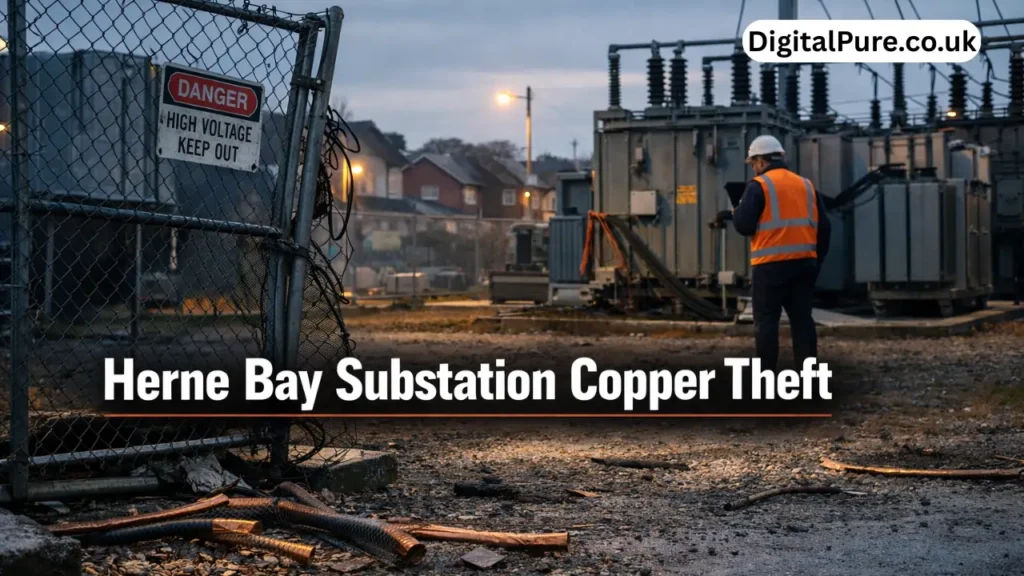
The herne bay substation copper theft took place at an electricity substation located on Curtis Wood Park Road in Herne Bay, Kent. Substations are essential components of the power distribution system because they manage and deliver electricity to homes and businesses in surrounding areas.
During the incident, individuals broke into the substation by cutting the lock that secured the facility. Once inside, they removed copper cables and wiring used within the electrical system. These copper components are necessary for transmitting electricity safely and efficiently.
When the wiring was removed, the electrical system was disrupted, leading to power failures in nearby residential areas. Because substations operate as central points in the electricity network, even a small amount of damage can interrupt power for multiple households.
Reports from local authorities indicated that the herne bay substation copper theft was not an isolated attempt. The location had reportedly been targeted before, suggesting that criminals were aware of the valuable materials present at the site.
How the Theft Caused Power Disruptions for Residents
One of the most immediate consequences of the herne bay substation copper theft was a significant power outage that affected many homes in the surrounding area. Residents suddenly lost electricity, leaving them without essential services that rely on power.
Without electricity, households faced several problems including the inability to use heating systems, cook food, or operate appliances such as refrigerators and washing machines. For families, this disruption affected daily routines and created inconvenience for several hours.
In some cases, electrical appliances were reported to have been damaged after power was restored. Sudden interruptions and fluctuations in electricity can sometimes create voltage issues that affect household electronics.
The herne bay substation copper theft therefore had a much larger impact than the removal of copper alone. It disrupted everyday life for local residents and required engineers to repair the damaged infrastructure before power could be safely restored.
Why Copper Is Frequently Targeted by Thieves
Copper is one of the most commonly stolen metals because it has a strong resale value in the scrap market. The metal is widely used in construction, electrical wiring, plumbing systems, and industrial equipment.
There are several reasons why criminals target copper from infrastructure sites.
High Scrap Metal Value
Copper is valuable because it can be recycled and reused without losing its quality. Scrap dealers purchase copper for melting and resale, which creates demand for the metal.
Because of its market value, thieves often see copper as a quick way to make money.
Large Quantities in Electrical Infrastructure
Electrical substations contain extensive copper wiring used for grounding, power transmission, and system connections. This makes substations attractive targets for criminals looking for valuable metal.
The herne bay substation copper theft demonstrates how these facilities can become vulnerable if they are not adequately secured.
Difficulty Tracing Stolen Copper
Once copper wires are stripped and sold as scrap, it becomes extremely difficult to trace where the material originally came from. This makes it easier for stolen copper to enter the recycling market.
Safety Risks Linked to Substation Copper Theft
Stealing copper from electrical substations is extremely dangerous. Substations handle high-voltage electricity, and unauthorized access to these areas can result in serious injuries.
People attempting to remove copper wiring from live electrical systems face the risk of electric shock, severe burns, or fatal accidents. In addition to risks for the thieves themselves, tampering with electrical infrastructure can also endanger maintenance workers and nearby residents.
The herne bay substation copper theft highlights how such crimes can create hazardous situations within the power network. Removing cables or grounding wires may affect system stability and increase the chances of equipment failure.
Because of these risks, power companies treat copper theft as a serious threat to both public safety and infrastructure reliability.
Financial Impact of Infrastructure Damage
Although copper theft might appear to be a minor crime, the financial consequences can be significant. The value of the stolen copper is often far lower than the cost of repairing the damaged equipment.
Following the herne bay substation copper theft, engineers had to inspect the entire facility to ensure that the power system could operate safely again. This process involves replacing missing cables, testing equipment, and restoring electrical connections.
Repair work requires specialized technicians and equipment, which increases the overall cost of recovery. In many cases, energy providers must also invest in additional security measures to prevent further incidents.
The financial burden created by events like the herne bay substation copper theft ultimately affects both utility providers and the communities they serve.
The Growing Problem of Copper Theft in the UK
The herne bay substation copper theft reflects a wider trend across the United Kingdom where infrastructure sites have become targets for metal theft.
Railway networks, telecommunications systems, and renewable energy facilities have all experienced similar incidents involving stolen copper cables. These crimes can cause transportation delays, communication failures, and energy disruptions.
As global demand for copper continues to grow, the price of the metal can fluctuate. When prices increase, theft incidents often rise as criminals attempt to profit from scrap sales.
Authorities and infrastructure providers are therefore working to strengthen security and monitoring systems to reduce these crimes.
Preventing Future Copper Theft Incidents
Preventing incidents like the herne bay substation copper theft requires a combination of improved security measures and community awareness.
Energy providers have started implementing stronger fencing, surveillance cameras, and alarm systems around substations and other sensitive infrastructure locations.
Technology is also playing a role in prevention. Some facilities now use sensors that alert operators if cables are tampered with or if unauthorized access occurs.
Local communities can also help by reporting suspicious activity near substations or infrastructure sites. Early reporting can allow authorities to respond quickly and prevent further damage.
Through better security planning and cooperation between residents and authorities, the risk of future copper theft incidents can be reduced.
Conclusion
The herne bay substation copper theft serves as an example of how infrastructure crimes can have wide-reaching consequences. What began as the theft of copper cables quickly resulted in power outages, damaged equipment, and disruption for local residents.
As copper remains a valuable material, protecting substations and other electrical facilities is becoming increasingly important. Stronger security measures, improved monitoring systems, and greater public awareness can help prevent similar incidents in the future.
Understanding the impact of the herne bay substation copper theft also highlights the importance of safeguarding the infrastructure that supports everyday life.
Frequently Asked Questions
1. What is the herne bay substation copper theft?
The herne bay substation copper theft refers to an incident where copper cables were stolen from an electricity substation in Herne Bay, Kent, leading to power outages in nearby homes.
2. Why do criminals target copper from substations?
Copper has a high resale value and is widely used in electrical infrastructure, making substations attractive targets for thieves seeking scrap metal.
3. How did the herne bay substation copper theft affect residents?
The incident caused power outages for several homes in the area, disrupting daily activities and in some cases damaging household appliances.
4. Is copper theft common in the United Kingdom?
Yes, copper theft has become a recurring issue across the UK, affecting railways, telecommunications networks, and electrical infrastructure.
5. How can copper theft from substations be prevented?
Improved security systems, surveillance technology, stronger site protection, and community reporting can help reduce the risk of copper theft incidents.
You May Also Read: Michelin-Starred Chef Restaurant Closure UK: Why Top Fine Dining Restaurants Are Shutting Down