
Introduction
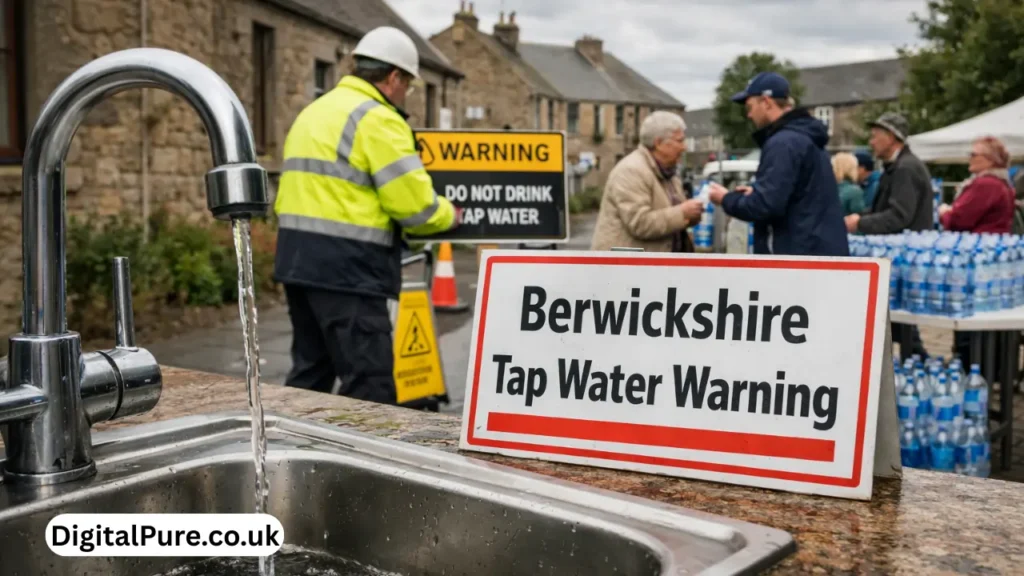
Clean drinking water is one of the most essential services for any community. When a disruption occurs, it can quickly affect daily life for thousands of residents. In the Scottish Borders region, many households experienced such disruption when authorities issued a berwickshire tap water warning after a problem was detected at a local treatment facility.
The warning advised residents not to drink tap water while engineers investigated and repaired the issue. The situation affected several towns and villages across Berwickshire and required an emergency response from water authorities and local support teams.
This article explains the berwickshire tap water warning, including what caused it, which areas were affected, what safety advice residents received, and how the situation was eventually resolved.
What Is the Berwickshire Tap Water Warning?
The berwickshire tap water warning refers to a precautionary notice issued to residents in parts of the Scottish Borders after a technical issue was discovered at the Rawburn Water Treatment Works near Duns.
Water treatment facilities are responsible for filtering and disinfecting water before it is delivered to homes and businesses. When a fault occurs in this system, water quality may fall below the strict standards required for safe drinking water.
To protect public health, authorities issued the berwickshire tap water warning and advised residents not to drink or cook with tap water until the system was repaired and the supply was confirmed safe.
Precautionary notices like this are common when water systems experience technical problems, as it allows engineers time to investigate and restore normal operations.
Cause of the Water Supply Problem
Fault at Rawburn Water Treatment Works
The main cause of the berwickshire tap water warning was a fault at the Rawburn Water Treatment Works, a facility that treats and supplies drinking water to several communities in the region.
Engineers discovered damage that disrupted part of the treatment process. Because the treatment system was not functioning normally, water quality could not be guaranteed to meet the usual safety standards.
As a result, authorities temporarily shut down parts of the system while repair teams investigated the issue and worked to restore the treatment process.
Although there was no confirmed health threat, the berwickshire tap water warning was issued as a precaution to ensure residents avoided any potential risk.
Areas Affected by the Berwickshire Tap Water Warning
Towns and Villages Impacted
The berwickshire tap water warning affected several towns and villages across the Scottish Borders region. Thousands of homes relied on the Rawburn facility for their water supply, so the disruption impacted a large number of residents.
Communities affected included:
- Duns
- Coldingham
- Chirnside
- Eccles
- Coldstream
- Paxton
- Burnmouth
- Lamberton
- Birgham
- Swinton
- Whitsome
- Leitholm
Around 6,000 properties experienced some form of disruption. Some households had low water pressure, while others temporarily lost their water supply.
Because the affected communities are spread across rural areas, access to emergency water supplies became an important priority during the incident.
Safety Advice Issued to Residents
Activities Residents Were Asked to Avoid
After the berwickshire tap water warning was announced, residents were given clear instructions about how they should use water from their taps.
Authorities advised residents not to use tap water for:
- Drinking
- Cooking food
- Brushing teeth
- Preparing baby formula
- Washing fruits and vegetables
- Making ice
- Feeding pets
- Cleaning open wounds
These precautions were designed to prevent residents from accidentally consuming water that might not meet drinking standards.
Activities Considered Safe
While drinking water was restricted, officials confirmed that the water could still be used for several other household tasks.
Residents were told it was safe to use tap water for:
- Showering and bathing
- Washing clothes
- Washing dishes
- Flushing toilets
This guidance helped people continue their daily routines while avoiding potential health risks during the berwickshire tap water warning.
Emergency Measures and Support for Residents
Bottled Water Distribution
Once the berwickshire tap water warning was issued, emergency response teams quickly began supporting affected communities.
Authorities delivered bottled drinking water to residents and established collection points where people could obtain safe water supplies. These distribution centers helped ensure that households had access to drinking water while the issue was being resolved.
Support for Vulnerable Residents
Special attention was given to vulnerable residents such as elderly individuals and people with medical conditions.
Local authorities and volunteers worked together to deliver water directly to households that could not easily travel to distribution centers.
In some areas, water tankers were also used to provide temporary water supplies for communities experiencing significant disruption.
Impact on Local Communities and Businesses
Daily Life Disruptions
The berwickshire tap water warning created several challenges for residents across the region.
Households had to rely on bottled water for drinking, cooking, and preparing food. Many residents had to collect water from distribution points or purchase bottled supplies from local stores.
For families with children, the situation required careful planning to ensure enough clean water was available for daily use.
Effects on Businesses and Farms
Local businesses were also affected by the disruption. Restaurants, cafés, and food establishments rely heavily on safe water for food preparation and cleaning.
Some businesses temporarily closed or limited their operations until the warning was lifted.
Farms in the region also faced challenges because livestock require large amounts of clean water. Many farmers had to arrange alternative water sources for their animals during the berwickshire tap water warning.
Repair Work and Restoration of Water Supply
Engineering Repairs and Water Testing
Repair teams worked around the clock to fix the problem at the Rawburn Water Treatment Works. Engineers inspected equipment, replaced damaged components, and restored the treatment process.
Once repairs were completed, extensive water quality testing was carried out to confirm that the supply met all safety standards.
After several days of monitoring and testing, authorities confirmed that the water was safe for normal use.
Lifting the Warning
When the water system returned to normal operation, the berwickshire tap water warning was lifted.
Residents were informed that they could safely drink and cook with tap water again. In some areas, people were advised to run their taps for a short time to flush out the pipes before using the water.
Compensation for Affected Residents
Financial Support for Disruption
Following the berwickshire tap water warning, compensation options were made available to residents who experienced prolonged water supply interruptions.
Households whose water service was disrupted for extended periods were eligible to apply for compensation through the water authority.
Customer support teams also visited affected communities to provide assistance and answer questions about the claims process.
Importance of Reliable Water Infrastructure
The berwickshire tap water warning highlighted the importance of maintaining reliable water treatment systems and infrastructure.
Even a single technical issue at a treatment facility can affect thousands of households. Monitoring systems and rapid response measures are essential to protect public health and restore services quickly.
The incident also demonstrated the importance of communication between authorities and residents during emergencies.
FAQs
1. What caused the berwickshire tap water warning?
The warning was issued after a fault occurred at the Rawburn Water Treatment Works near Duns, which disrupted the normal water treatment process and raised concerns about drinking water quality.
2. Which areas were affected by the berwickshire tap water warning?
Several communities across the Scottish Borders were affected, including Duns, Coldingham, Chirnside, Eccles, Coldstream, Paxton, Burnmouth, and nearby villages.
3. Was the water dangerous to drink?
Authorities issued the warning as a precaution. Residents were advised not to drink tap water until testing confirmed that the water supply met safety standards.
4. How long did the water disruption last?
The disruption lasted several days while engineers repaired the treatment facility and conducted water quality testing.
5. What should residents do during a tap water warning?
Residents should follow official guidance, avoid drinking tap water, use bottled water for cooking and drinking, and stay updated through announcements from local authorities.
You May Also Read: DWP PIP Legacy Benefits Changes: UK Welfare Policy, PIP Eligibility Rules and Universal Credit Transition