
Introduction
Modern road systems depend on clear signals and warning devices to keep drivers, pedestrians, and emergency responders safe. One of the most noticeable safety signals used on roads is the blue flashing beacon. These lights are commonly seen on emergency vehicles and play a vital role in alerting other road users that urgent action is taking place.
When drivers understand the meaning and purpose of a blue flashing beacon, they can react correctly and help emergency vehicles move quickly through traffic. This not only improves road safety but also helps emergency services reach people who need immediate assistance.
What Is a Blue Flashing Beacon
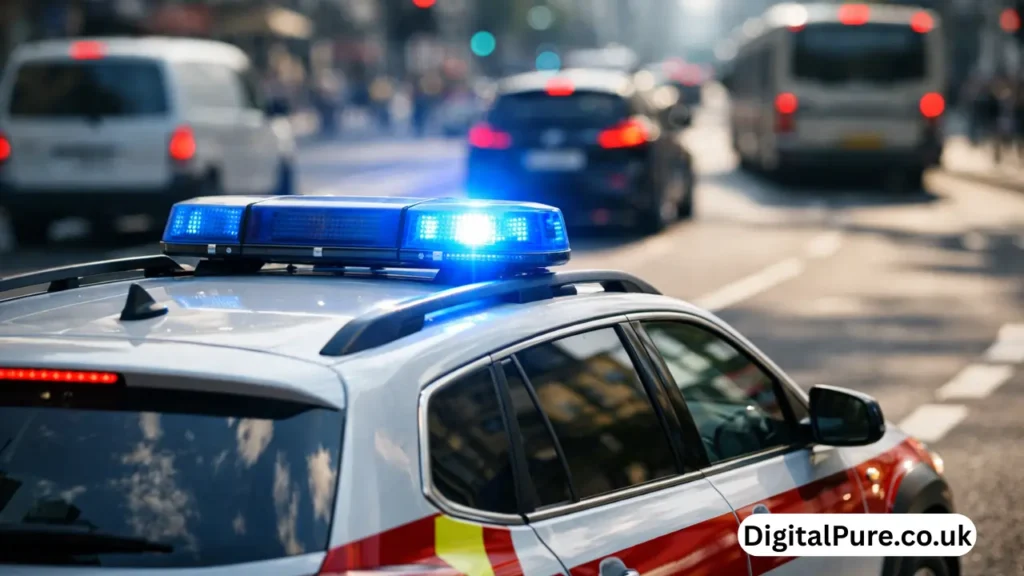
A blue flashing beacon is a bright warning light installed on certain vehicles to signal that the vehicle is responding to an emergency or performing an official duty that requires priority on the road. The light flashes repeatedly in a strong blue color so that it can be noticed from a distance.
These beacons are usually mounted on the roof of vehicles or integrated into a light bar system. The flashing pattern is designed to grab attention quickly and stand out among other lights on the road.
The main purpose of a blue flashing beacon is to warn surrounding traffic that the vehicle requires immediate right of way. When drivers see these lights, they should stay alert and make space for the approaching vehicle.
Why Emergency Vehicles Use a Blue Flashing Beacon
Emergency services often operate under time-sensitive conditions. Every second can be critical when responding to accidents, fires, or medical emergencies. The blue flashing beacon helps emergency vehicles move through traffic more efficiently and safely.
There are several important reasons why blue lights are used.
First, blue light is highly visible in both daylight and nighttime conditions. It can easily stand out against normal road lighting and vehicle headlights.
Second, many countries have established a strong association between blue lights and emergency services. Drivers quickly recognize that a vehicle with a blue flashing beacon requires priority.
Third, the flashing pattern attracts attention much faster than a steady light. This allows drivers to notice an approaching emergency vehicle even in heavy traffic.
Because of these advantages, the blue flashing beacon has become a widely recognized signal for urgent response vehicles.
Vehicles That Use a Blue Flashing Beacon
In most regions, only authorized emergency vehicles are allowed to operate a blue flashing beacon. These vehicles perform important public safety duties and must be able to travel quickly during emergencies.
Police Vehicles
Police cars frequently use a blue flashing beacon when responding to incidents, managing traffic emergencies, or pursuing suspects. The flashing lights signal drivers to move aside and allow the police vehicle to pass.
Ambulances
Ambulances activate a blue flashing beacon when responding to medical emergencies or transporting patients to hospitals. This helps them travel quickly through traffic and reach medical facilities without delay.
Fire Trucks
Fire and rescue vehicles use a blue flashing beacon when responding to fires, accidents, or rescue operations. The lights help clear traffic so firefighters can reach dangerous situations as quickly as possible.
Rescue and Emergency Response Units
Specialized rescue teams, disaster response vehicles, and other emergency units may also use a blue flashing beacon while attending critical incidents.
Because these vehicles perform life-saving work, their warning lights must be clearly visible and widely understood by other road users.
Technology Behind a Blue Flashing Beacon
The technology used in emergency vehicle lighting has improved significantly over time. Modern systems provide stronger brightness, better visibility, and improved energy efficiency.
LED Emergency Lighting
Most modern vehicles now use LED lighting for the blue flashing beacon. LED lights produce powerful illumination while consuming less power. They also allow multiple flashing patterns that improve visibility in different driving conditions.
Rotating Beacon Systems
Earlier designs used rotating bulbs placed inside a colored dome. As the bulb rotated, it created the appearance of a flashing beam of light. Although these systems were effective in the past, they are gradually being replaced by LED technology.
Strobe Light Systems
Some emergency vehicles use strobe lighting that produces rapid bursts of bright light. This flashing pattern increases visibility and ensures the blue flashing beacon can be noticed quickly even from a long distance.
These technological improvements help emergency vehicles remain visible during fog, rain, nighttime driving, and heavy traffic conditions.
Meaning of Different Emergency Light Colors
Different colors of warning lights are used on roads to communicate specific messages. Understanding these colors helps drivers respond appropriately.
Blue lights are typically used for emergency services such as police, ambulances, and fire response units.
Red lights are often associated with fire vehicles or other emergency situations requiring immediate attention.
Amber or yellow lights are commonly used by construction vehicles, maintenance trucks, and tow trucks to warn drivers of hazards or slow-moving vehicles.
Green lights may be used in certain regions by volunteer emergency responders who are traveling to assist in an emergency.
Among all these warning signals, the blue flashing beacon remains one of the most recognizable indicators of an active emergency response vehicle.
Legal Rules for Using a Blue Flashing Beacon
Because the blue flashing beacon signals authority and urgency, its use is strictly regulated in many countries. Only specific emergency services are permitted to install and operate these lights.
Unauthorized use of emergency lights can cause confusion on the road and may lead drivers to react incorrectly. For this reason, strict legal rules are enforced.
Common regulations include:
Only approved emergency vehicles can use a blue flashing beacon.
Private vehicles are generally not allowed to install or operate these lights.
Misuse of emergency lighting can lead to fines, penalties, or legal action.
In some cases, using a blue flashing beacon without permission may even be treated as impersonating an emergency service vehicle, which is considered a serious offense.
These rules help maintain trust and ensure that drivers respond correctly when they see emergency warning lights.
How Drivers Should Respond to a Blue Flashing Beacon
When drivers notice a blue flashing beacon on the road, they should understand that an emergency vehicle is approaching or operating nearby. Quick and responsible action is important.
Drivers should remain calm and immediately check their mirrors to identify where the emergency vehicle is coming from.
If it is safe to do so, they should move their vehicle toward the side of the road to create a clear path.
Drivers should also avoid blocking intersections or sudden braking that could cause accidents.
Once the emergency vehicle has passed, drivers can continue driving normally while maintaining awareness of traffic conditions.
Proper response to a blue flashing beacon helps emergency services reach their destination faster and reduces the risk of accidents.
Importance of Blue Flashing Beacons for Road Safety
The blue flashing beacon is more than just a visual signal. It is an essential part of the emergency response system. These lights allow emergency vehicles to communicate quickly with the public and gain safe passage through traffic.
Without clear warning signals, emergency responders would face significant delays while trying to reach accident scenes or hospitals. The presence of a blue flashing beacon helps prevent confusion, reduces response time, and improves overall road safety.
For everyday drivers, understanding the purpose of these lights is an important part of responsible driving. By recognizing and responding properly to a blue flashing beacon, drivers contribute to a safer and more efficient road environment.
Frequently Asked Questions
1. What does a blue flashing beacon indicate on the road
A blue flashing beacon indicates that an emergency vehicle such as a police car, ambulance, or fire truck is responding to an urgent situation and requires priority passage through traffic.
2. Who is allowed to use a blue flashing beacon
Typically only authorized emergency services including police, ambulance, fire departments, and certain rescue vehicles are legally permitted to use a blue flashing beacon.
3. Why is blue used for emergency vehicle lights
Blue light is highly visible and easily recognized by drivers. This makes it effective for alerting traffic that an emergency vehicle is approaching.
4. What should drivers do when they see a blue flashing beacon
Drivers should slow down, stay aware of their surroundings, and move safely to the side of the road to allow the emergency vehicle to pass.
5. Is it illegal for private vehicles to use a blue flashing beacon
Yes, in most places it is illegal for private vehicles to install or use a blue flashing beacon without official authorization. Unauthorized use can result in penalties or legal action.
You May Also Read: Strood Road Gas Leak Closure: Causes, Traffic Disruption, Safety and Emergency Repairs