
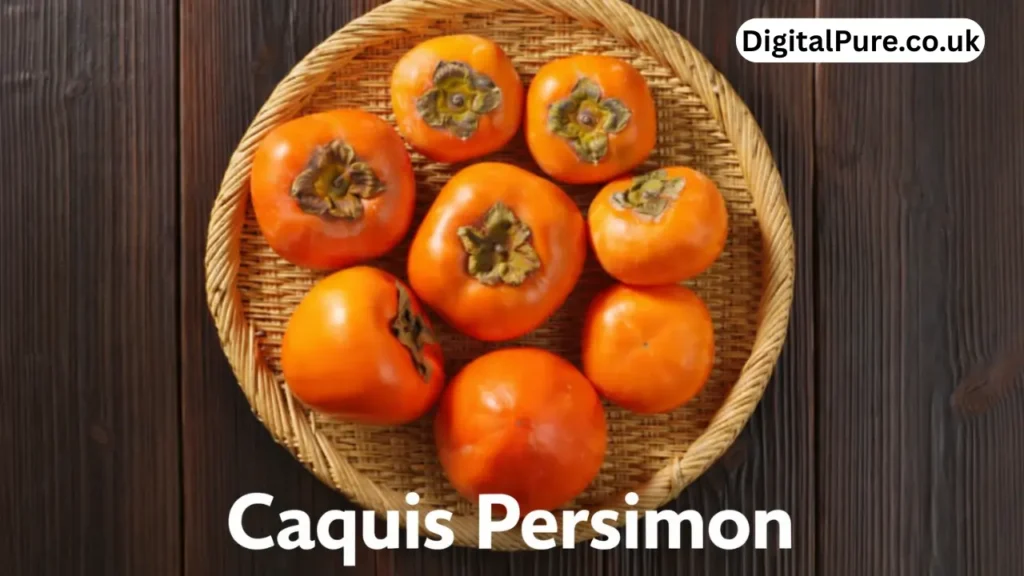

Introduction
Caquis persimon have become one of the most appreciated seasonal fruits in recent years, especially across Europe. With their vibrant orange color, naturally sweet flavor, and impressive nutritional value, they offer much more than visual appeal. Originally cultivated in Asia and now widely grown in Spain, this fruit stands out for its firm texture and ready-to-eat sweetness.
In this complete guide, you will discover everything about caquis persimon, including their origin, varieties, nutritional profile, health benefits, seasonality, storage tips, and practical ways to enjoy them.
What Are Caquis Persimon?
Caquis persimon are a specific type of persimmon derived from the species Diospyros kaki. While “caqui” is the Spanish word for persimmon, “Persimon” refers to a carefully treated variety that removes natural astringency while keeping the fruit firm.
Traditional persimmons can taste bitter if eaten before they are fully soft. However, caquis persimon undergo a controlled post-harvest process that eliminates the tannins responsible for that bitterness. As a result, the fruit maintains a firm texture but delivers a smooth, sweet flavor.
Spain, particularly the Valencia region, is internationally known for producing high-quality caquis persimon. The Mediterranean climate plays a key role in achieving their balanced sweetness and rich color.
Origin and Global Cultivation
Persimmons were first cultivated in China more than 2,000 years ago. From there, they spread to Japan and Korea, becoming an important part of local diets and culinary traditions. Over time, cultivation expanded to Europe and the Americas.
Today, Spain is one of the leading exporters of caquis persimon. The fruit has gained strong popularity in European markets because of its consistency, ease of consumption, and appealing appearance.
Understanding the Different Types of Persimmons
To fully appreciate caquis persimon, it helps to understand how they differ from other persimmon varieties.
Astringent Persimmons
Astringent persimmons contain high levels of tannins. If eaten before fully ripened, they create a dry, puckering sensation in the mouth. These varieties must soften completely before becoming sweet and pleasant to eat.
Non-Astringent Persimmons
Non-astringent varieties can be eaten while still firm. They are naturally sweeter and do not require extreme ripeness to be enjoyable.
Where Caquis Persimon Fit
Caquis persimon originate from an astringent variety but are treated after harvest to remove tannins. This allows consumers to enjoy the fruit while it is still firm, combining the best qualities of both categories.
Nutritional Value of Caquis Persimon
One of the biggest reasons for the growing demand for caquis persimon is their strong nutritional profile. A medium-sized fruit typically provides:
- Around 110 to 120 calories
- Approximately 30 grams of carbohydrates
- About 6 grams of dietary fiber
- High amounts of Vitamin A
- Significant Vitamin C content
- Potassium and manganese
- Natural antioxidants such as carotenoids and flavonoids
The fiber content supports digestion, while natural sugars provide quick and healthy energy. Caquis persimon are naturally low in fat and contain no cholesterol, making them suitable for balanced eating plans.
Health Benefits of Caquis Persimon
Rich Source of Antioxidants
Caquis persimon contain powerful antioxidants, including beta-carotene and other plant compounds. These help protect cells from oxidative stress, which is linked to aging and chronic conditions.
Supports Heart Health
The fiber and potassium found in caquis persimon contribute to cardiovascular well-being. Fiber helps reduce bad cholesterol levels, while potassium assists in maintaining healthy blood pressure.
Promotes Digestive Wellness
With around 6 grams of fiber per fruit, caquis persimon support healthy digestion. Fiber improves bowel regularity and helps maintain a balanced gut environment.
Strengthens the Immune System
Vitamin C plays an essential role in immune defense. Regular consumption of caquis persimon can help support the body’s natural resistance, particularly during colder months.
Benefits Eye and Skin Health
The high Vitamin A and carotenoid content in caquis persimon supports good vision and skin protection. These nutrients contribute to maintaining healthy tissues and protecting against environmental damage.
Seasonal Availability of Caquis Persimon
Caquis persimon are primarily available from early autumn through winter, typically between September and January. This makes them an ideal fruit choice during cooler months when fresh seasonal produce options are more limited.
Because of their controlled ripening process, they are widely distributed across European markets during peak season.
How to Choose and Store Caquis Persimon
Selecting high-quality caquis persimon ensures the best flavor and texture.
How to Choose
Look for fruits that are:
- Bright orange in color
- Smooth and glossy
- Firm but not overly hard
- Free from deep bruises or cracks
How to Store
If you plan to eat them within a few days, store caquis persimon at room temperature. For longer storage, refrigeration helps maintain freshness and firmness.
Culinary Uses of Caquis Persimon
One of the main advantages of caquis persimon is their versatility in the kitchen.
Fresh Consumption
The simplest way to enjoy caquis persimon is to slice and eat them fresh. Their firm texture makes them easy to cut into wedges or cubes.
Salads
They pair beautifully with leafy greens, nuts, cheese, and light dressings. Their sweetness balances savory ingredients perfectly.
Smoothies
Blend caquis persimon with yogurt, banana, or citrus juice for a naturally sweet and nutritious drink.
Baking
Chopped caquis persimon can be added to muffins, cakes, and breads for moisture and natural sweetness.
Desserts and Preserves
Their rich flavor makes them suitable for jams, compotes, and fruit-based desserts.
Why Caquis Persimon Are Gaining Popularity
Consumers are increasingly choosing fruits that combine taste, nutrition, and convenience. Caquis persimon meet all these expectations. They are easy to eat, visually appealing, rich in nutrients, and suitable for various recipes.
Their growing presence in supermarkets reflects rising awareness of their health benefits and culinary flexibility.
Frequently Asked Questions (FAQs)
1. What makes caquis persimon different from regular persimmons?
Caquis persimon are treated to remove natural astringency while remaining firm, making them ready to eat without needing full softening.
2. Are caquis persimon healthy for daily consumption?
Yes, they are rich in fiber, Vitamin A, Vitamin C, potassium, and antioxidants that support heart, immune, and digestive health.
3. When is the best time to buy caquis persimon?
They are typically available from September to January during the autumn and winter season.
4. Can caquis persimon be eaten raw?
Yes, they are designed to be eaten fresh while firm, making them convenient and easy to prepare.
5. How many times can caquis persimon be included in a weekly diet?
They can be consumed several times a week as part of a balanced diet due to their natural nutrient content.
You May Also Read: Sodiceram: High Performance Sodium Infused Ceramic for Modern Construction and Design