

Introduction
Payroll accuracy is no longer just an administrative task for UK employers; it is a regulatory obligation that carries real financial consequences. With enforcement activity increasing across multiple sectors, businesses are paying closer attention to hmrc wage raid payroll checks and what they mean in practice. These compliance inspections focus on whether employers are meeting wage laws, reporting payroll data correctly, and maintaining proper documentation. Even minor errors in pay calculations or reporting can trigger scrutiny, making it essential for organisations to understand how these checks operate and how to maintain full compliance at all times.
What Are HMRC Wage Raid Payroll Checks?
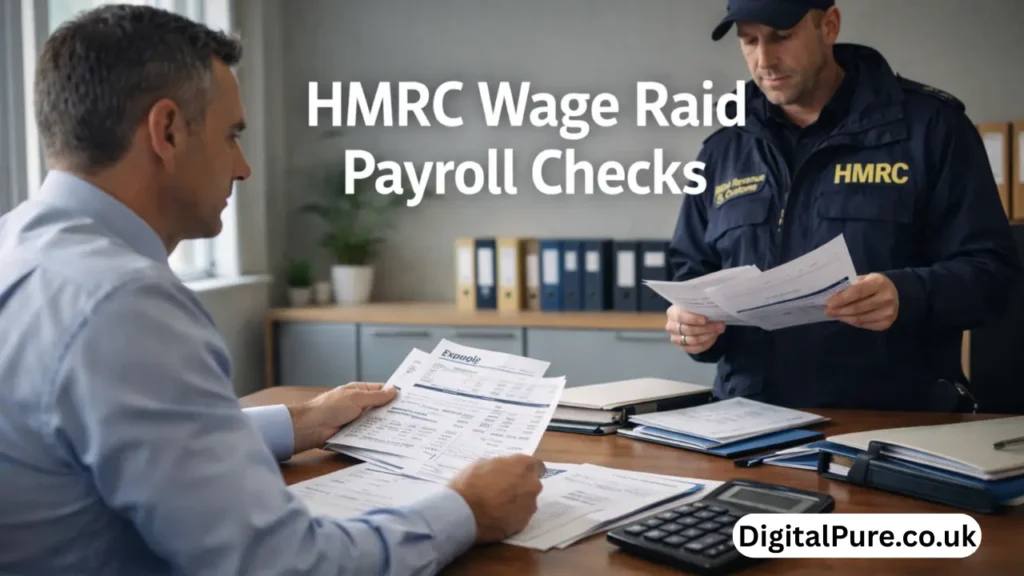
HMRC wage raid payroll checks are compliance inspections carried out by HM Revenue & Customs to verify that businesses are meeting UK wage and payroll regulations. Despite the term “wage raid,” these checks are usually not criminal actions. Instead, they are structured reviews of payroll records, wage payments, and tax reporting.
HMRC may conduct these checks through scheduled audits, document requests, or on-site workplace visits. The aim is to confirm that employees are receiving lawful pay and that payroll information submitted to HMRC is accurate and complete.
Why HMRC Carries Out Payroll Checks
HMRC conducts payroll checks to protect employees, ensure fair competition between businesses, and maintain the integrity of the UK tax system.
The main reasons for hmrc wage raid payroll checks include:
- Ensuring compliance with National Minimum Wage and National Living Wage laws
- Confirming correct PAYE and National Insurance deductions
- Identifying payroll reporting errors or inconsistencies
- Preventing deliberate wage underpayment or misclassification of workers
With increased data monitoring, HMRC is now better equipped to detect payroll irregularities early.
Common Triggers for HMRC Wage Raid Payroll Checks
While HMRC can review any employer, certain factors increase the likelihood of a payroll inspection.
Employee Complaints
Complaints about unpaid wages, incorrect deductions, or missing holiday pay often trigger investigations.
Payroll Irregularities
Unusual payroll figures, repeated adjustments, or late submissions can raise red flags.
High-Risk Industries
Sectors such as hospitality, retail, construction, and care services are more frequently reviewed due to higher wage compliance risks.
Previous Compliance Issues
Businesses with a history of penalties or corrections are more likely to face future hmrc wage raid payroll checks.
What HMRC Reviews During Payroll Checks
During an inspection, HMRC officers examine multiple areas of payroll operations to verify accuracy and compliance.
Payroll Records
Payslips, payroll summaries, and Real Time Information submissions are checked to ensure correct reporting.
Wage Calculations
HMRC verifies hourly rates, overtime pay, deductions, and holiday pay calculations.
Employment Documentation
Contracts, job descriptions, and worker agreements are reviewed to confirm employment status.
Working Time Evidence
Timesheets and attendance records may be examined to ensure wages align with hours worked.
In some cases, HMRC may speak directly with employees to confirm pay details.
How Far Back HMRC Can Review Payroll Records
The time period HMRC can investigate depends on the type of issue identified.
- For errors caused by carelessness, HMRC can usually review up to six years of records
- For deliberate underpayment or intentional misreporting, reviews can extend up to twenty years
This means poor payroll practices can have long-term consequences if not addressed promptly.
Penalties and Consequences of Non-Compliance
Failing hmrc wage raid payroll checks can result in serious outcomes for employers.
Potential consequences include:
- Repayment of underpaid wages to affected employees
- Financial penalties that can reach up to 200% of the wage shortfall
- Public naming for minimum wage breaches
- Increased monitoring and follow-up inspections
- Damage to business reputation and employee trust
Even unintentional mistakes can lead to penalties if employers cannot show reasonable care.
How Employers Can Prepare for HMRC Payroll Checks
Preparation plays a vital role in reducing the impact of payroll inspections.
Maintain Accurate Records
Ensure payroll documents, contracts, and timesheets are complete and well-organised.
Use Reliable Payroll Systems
Modern payroll software helps reduce errors and ensures timely reporting.
Review Wage Rates Regularly
Minimum wage rates change annually, and delays in implementation can lead to non-compliance.
Conduct Internal Audits
Regular payroll reviews help identify and correct issues before HMRC becomes involved.
Train Payroll and HR Staff
Staff responsible for payroll should stay informed about current wage laws and reporting rules.
Being proactive makes hmrc wage raid payroll checks far less disruptive.
Why Payroll Compliance Should Be an Ongoing Priority
Payroll compliance is not a one-time task. Wage regulations, reporting requirements, and enforcement methods continue to evolve. Businesses that treat payroll as a core operational responsibility are better positioned to avoid costly mistakes.
Consistent monitoring, accurate reporting, and proper documentation ensure that hmrc wage raid payroll checks do not become a major business risk.
Conclusion
HMRC wage raid payroll checks are an essential part of enforcing wage and payroll laws in the UK. While they may seem intimidating, they are manageable with the right preparation and understanding. Employers who maintain accurate payroll systems, pay employees correctly, and stay informed about wage regulations can face inspections with confidence and avoid unnecessary penalties.
Frequently Asked Questions (FAQs)
1. What is the purpose of hmrc wage raid payroll checks?
They ensure employers pay lawful wages and report payroll information accurately.
2. Can HMRC visit a workplace without notice?
Yes, HMRC has the authority to conduct unannounced payroll inspections.
3. Which businesses are most at risk of payroll checks?
High-risk industries and businesses with inconsistent payroll data are more likely to be reviewed.
4. How long should payroll records be kept?
Employers should retain payroll records for at least six years.
5. How can employers reduce the risk of penalties?
Regular audits, accurate record-keeping, and timely wage updates are key.
You May Also Read: Morrisons Store Closures: Full Analysis of Impact, Causes and Outlook