

Introduction
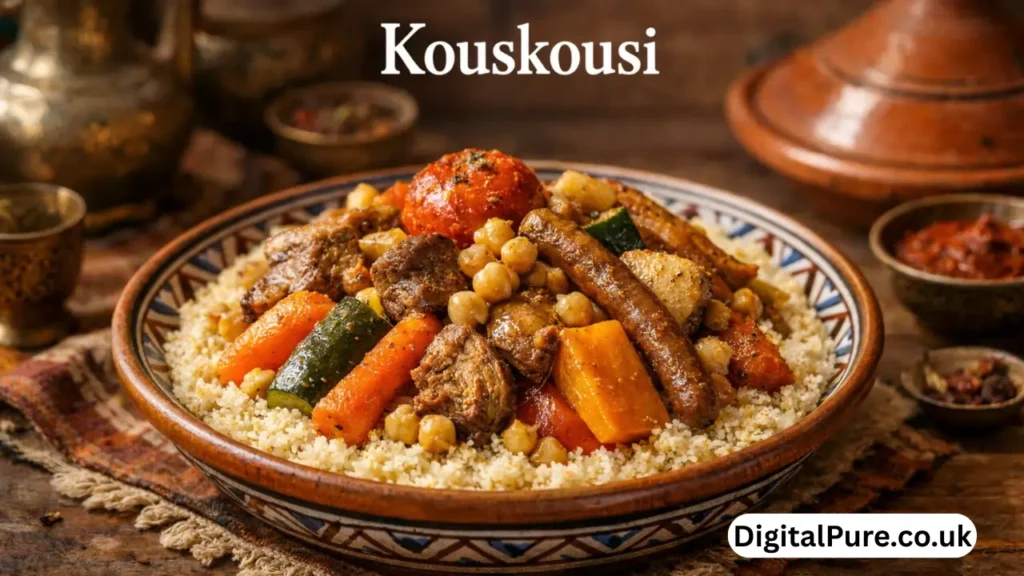
Kouskousi is a traditional North African food known for its fine granules, simple ingredients, and deep cultural significance. Prepared and shared for generations, it has long been a staple in everyday meals as well as special gatherings. What makes kouskousi stand out is its balance of comfort, versatility, and nourishment, allowing it to adapt easily to different ingredients and cooking styles. From its historical origins to its role in modern kitchens, kouskousi continues to reflect both culinary tradition and evolving food culture.
What Is Kouskousi?
Kouskousi refers to a food made from durum wheat semolina that is processed into tiny granules. While many people compare it to rice or other grains, kouskousi is technically a form of pasta. The granules are usually steamed, resulting in a light and fluffy texture that absorbs flavors very well. Its neutral taste allows it to pair easily with vegetables, meats, and spices, making it suitable for a wide variety of dishes.
Why Kouskousi Is Not a Grain
Although it looks like a grain, kouskousi is produced through a method similar to pasta-making. Semolina flour is mixed with water and shaped into small particles before being dried. This process distinguishes it from true grains such as rice or wheat berries.
Historical Origins of Kouskousi
The history of kouskousi goes back hundreds of years to North Africa. It is believed to have originated among Berber communities, where it was prepared using traditional hand-rolling techniques. Over generations, kouskousi became a central part of daily meals and festive gatherings across regions such as Morocco, Algeria, and Tunisia.
Cultural Recognition
The preparation and sharing of couscous-based dishes were officially recognized by UNESCO as part of the Intangible Cultural Heritage of Humanity. This recognition highlights the importance of kouskousi not just as food, but as a symbol of community, tradition, and cultural identity.
Cultural Importance in Daily Life
Kouskousi holds strong social value in many households. It is often served during family gatherings, religious occasions, and community celebrations. Traditionally, it is placed in a large shared dish, and family members eat together, emphasizing unity and togetherness. In many cultures, serving kouskousi is considered a gesture of hospitality and respect toward guests.
Ingredients Used in Kouskousi
The basic ingredients of kouskousi are simple and natural.
Main Ingredients
- Durum wheat semolina
- Water
Common Additions
- Vegetables such as carrots, zucchini, onions, and chickpeas
- Proteins like lamb, chicken, or beef
- Traditional spices and herbs
These ingredients combine to create a balanced and flavorful meal that can be adjusted based on seasonal availability and personal preference.
Traditional Cooking Method
Kouskousi is traditionally cooked by steaming rather than boiling. A special two-part pot allows steam from a simmering stew below to rise and gently cook the granules above. This method ensures that the kouskousi remains light, fluffy, and rich in aroma.
Importance of Steaming
Steaming allows the granules to absorb moisture slowly, preventing them from becoming sticky or heavy. It also enhances the overall taste by allowing flavors from the stew to infuse naturally.
Popular Ways to Serve Kouskousi
Kouskousi can be served in many forms, making it suitable for different meals and lifestyles.
Traditional Serving Style
- Served hot with vegetables and meat stew poured over the top
Modern and Light Meals
- Used in salads with herbs, lemon, and olive oil
- Served as a side dish with roasted vegetables
Contemporary Uses
- Included in fusion recipes
- Used as a base for plant-based and vegetarian meals
Its adaptability is one of the main reasons kouskousi remains popular today.
Nutritional Value of Kouskousi
Kouskousi provides essential nutrients that support daily energy needs.
Key Nutritional Benefits
- Rich in carbohydrates for energy
- Contains moderate protein
- Low in fat
- Whole wheat versions offer dietary fiber
Health Considerations
Because kouskousi is made from wheat, it contains gluten. Individuals with gluten sensitivity should avoid traditional versions and look for alternatives made from other ingredients.
Role of Kouskousi in Modern Cuisine
Today, kouskousi is enjoyed worldwide and has become a common ingredient in international kitchens. Chefs and home cooks experiment with it by blending traditional techniques with modern flavors. Despite these changes, the essence of kouskousi remains rooted in simplicity and tradition.
Why Kouskousi Continues to Be Popular
The long-lasting popularity of kouskousi can be attributed to its affordability, ease of preparation, and cultural depth. It fits well into both traditional diets and modern eating habits, making it a timeless food choice.
Conclusion
Kouskousi is more than a traditional dish; it is a representation of history, culture, and shared human experience. From its humble origins to its global presence today, kouskousi continues to bring people together through food. Its nutritional value, versatility, and cultural meaning ensure that it will remain an important part of culinary traditions for generations to come.
Frequently Asked Questions About Kouskousi
1. Is kouskousi the same as couscous?
Yes, kouskousi is another commonly used name or spelling for couscous in different regions.
2. Is kouskousi healthy to eat regularly?
When eaten in moderation and combined with vegetables and protein, kouskousi can be part of a balanced diet.
3. Does kouskousi contain gluten?
Yes, traditional kouskousi contains gluten because it is made from wheat semolina.
4. How is kouskousi traditionally prepared?
It is traditionally steamed over a simmering stew, allowing it to absorb flavor while staying light.
5. Why is kouskousi culturally important?
Kouskousi represents hospitality, family bonding, and tradition, especially in North African cultures.
You May Also Read: Ameliadennis16: How Anonymous Digital Names Gain Attention