

Introduction
Cheese lovers around the world are constantly discovering new varieties that combine tradition with creativity. One such modern innovation is masgonzola, a cheese that brings together two iconic Italian styles into a single, refined product. Known for its smooth texture and balanced flavor, masgonzola offers a gentler and more versatile alternative to traditional blue cheese while still maintaining its distinct character.
This article provides a complete and clear understanding of masgonzola, including its origin, taste, production process, culinary uses, and why it has become popular among both chefs and everyday food enthusiasts.
What Is Masgonzola?
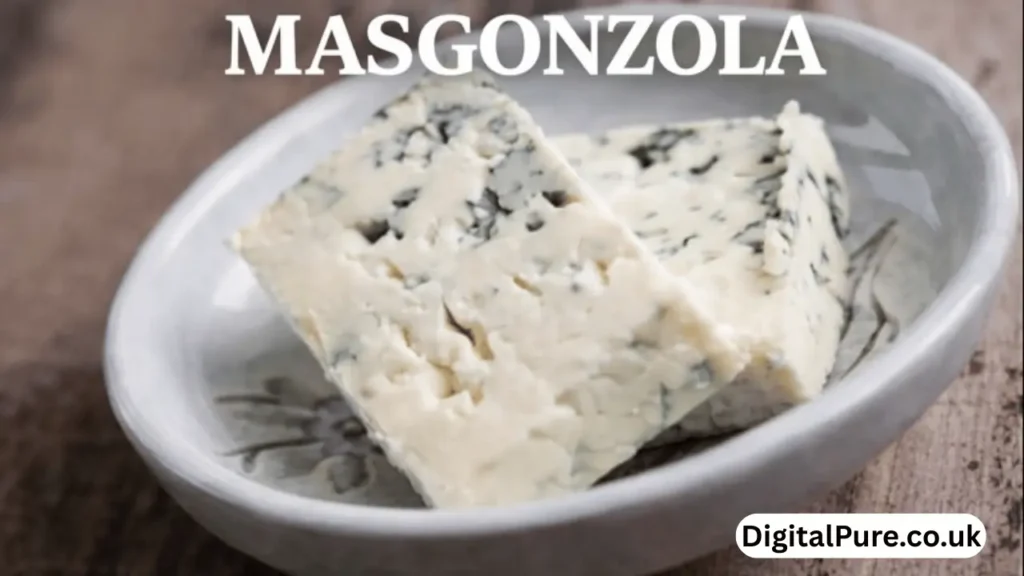
Masgonzola is a blended Italian cheese made by combining mascarpone with gorgonzola. The purpose of this blend is to soften the strong intensity of blue cheese while enhancing creaminess and smoothness. The result is a cheese that delivers mild blue notes without overpowering the palate.
Unlike firm or crumbly blue cheeses, masgonzola has a soft and spreadable consistency. This makes it easy to use in both simple meals and gourmet recipes. Its balanced nature allows it to appeal to a wide audience, including those who usually avoid blue cheese due to its sharp flavor.
The Italian Cheese Traditions Behind Masgonzola
Gorgonzola’s Influence
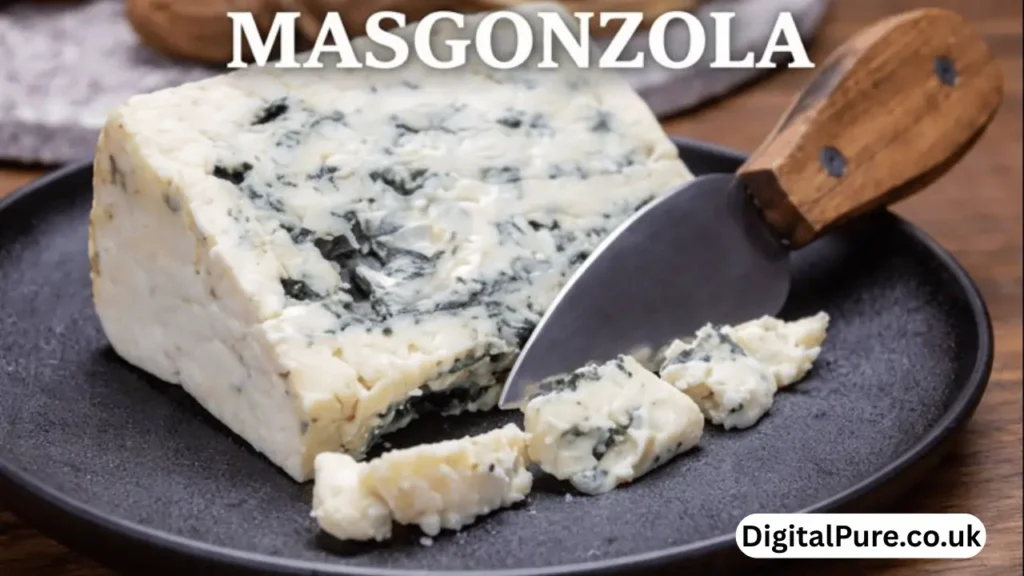
Gorgonzola is one of Italy’s most well-known blue cheeses, traditionally produced in northern regions of the country. It is recognized for its blue veins, bold aroma, and strong taste. While loved by many, gorgonzola can be too intense for some eaters.
Mascarpone’s Role
Mascarpone is a rich, creamy cheese commonly used in Italian desserts and sauces. It has a smooth texture and a mildly sweet flavor. When combined with gorgonzola, mascarpone reduces sharpness and creates a softer, more approachable cheese.
Masgonzola represents a thoughtful balance between these two traditions, offering complexity without excess intensity.
Flavor and Texture Profile of Masgonzola
One of the main reasons masgonzola stands out is its unique sensory profile.
Taste Characteristics
- Mild blue cheese flavor
- Subtle tang without bitterness
- Creamy and slightly buttery finish
Texture and Appearance
- Soft and smooth consistency
- Easy to spread at room temperature
- Light blue marbling throughout a creamy base
This combination makes masgonzola enjoyable on its own and adaptable in many recipes.
How Masgonzola Is Produced
The production of masgonzola focuses on blending rather than long aging. Fresh mascarpone is carefully combined with gorgonzola to achieve the right balance of flavor and texture. The process prioritizes smoothness, consistency, and freshness.
Because it is not heavily aged, masgonzola retains a softer structure and a more delicate aroma than traditional blue cheeses. This production style supports its versatility and wide culinary use.
Culinary Uses of Masgonzola
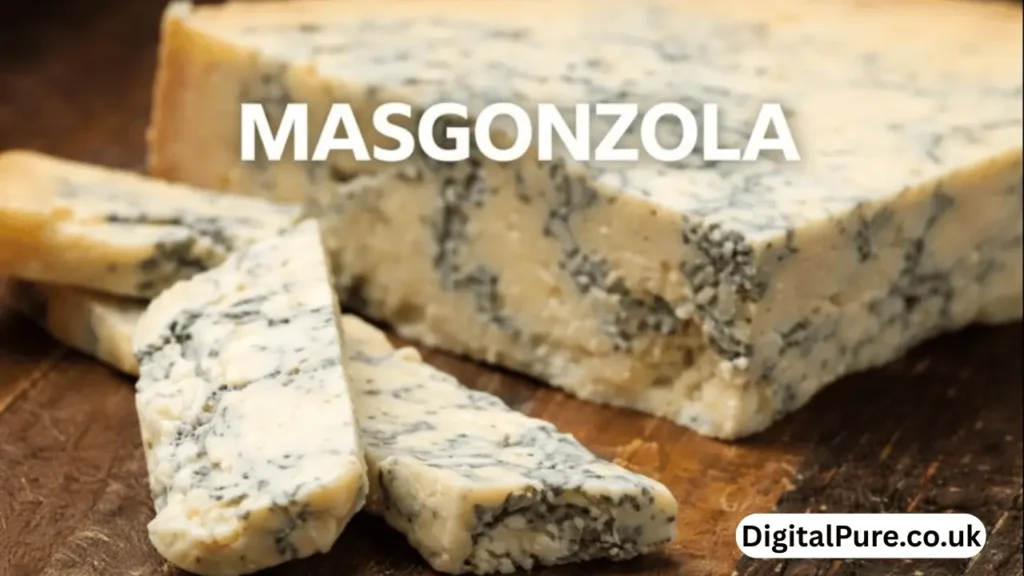
Masgonzola is valued in the kitchen for how easily it adapts to different dishes.
Hot Dishes and Cooking
Masgonzola melts evenly, making it ideal for:
- Creamy pasta sauces
- Risotto and polenta
- Pizza toppings
- Baked vegetables and casseroles
Its smooth melting quality helps enrich dishes without overpowering other ingredients.
Cold Dishes and Serving Ideas
Masgonzola is equally effective in cold preparations, such as:
- Cheese boards
- Sandwich spreads
- Dips and dressings
- Crostini and crackers
Its mild flavor pairs well with fruits, nuts, and honey, enhancing both sweet and savory combinations.
Why Masgonzola Appeals to a Wider Audience
Many people find traditional blue cheese too strong, sharp, or pungent. Masgonzola solves this issue by offering a softer introduction to blue cheese flavors. This makes it suitable for beginners, casual eaters, and those who prefer balanced tastes.
At the same time, experienced cheese lovers appreciate masgonzola for its smoothness and versatility. It works well in both everyday meals and more refined dishes, making it a practical choice for modern kitchens.
Masgonzola vs Traditional Blue Cheese
While traditional blue cheeses are often crumbly, aged, and intense, masgonzola is creamy, mild, and flexible. It does not dominate a dish but complements it. This difference is why masgonzola is frequently chosen for recipes where balance is essential.
Storage and Serving Tips
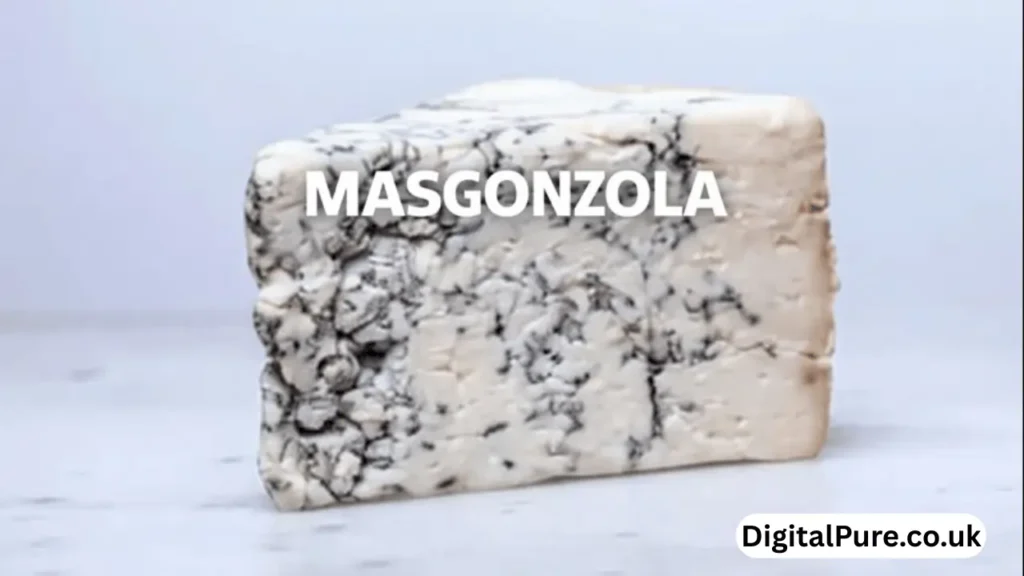
To maintain freshness, masgonzola should be stored in the refrigerator in an airtight container. Before serving, allowing it to sit at room temperature for a short time helps enhance its flavor and texture.
Proper storage ensures the cheese remains smooth and enjoyable for longer use.
Frequently Asked Questions
1. What exactly is masgonzola?
Masgonzola is a blended cheese made from mascarpone and gorgonzola, designed to offer a creamy texture with mild blue cheese flavor.
2. Is masgonzola strong like blue cheese?
No, masgonzola is much milder and smoother than traditional blue cheese.
3. Can masgonzola be used for cooking?
Yes, masgonzola melts well and is excellent for sauces, pasta, and baked dishes.
4. Is masgonzola suitable for cheese beginners?
Yes, it is often recommended for people who want to try blue cheese without strong intensity.
5. How should masgonzola be served?
It can be served on bread, crackers, cheese boards, or used in both hot and cold recipes.
You May Also Read: Ksözcü: Meaning, Influence, and Role in Communication Today