

Introduction
Modern vehicles rely on complex electronic systems to ensure efficiency, safety, and smooth performance. Unlike older vehicles that depended mainly on mechanical systems, today’s cars use multiple electronic control units to manage different functions. These systems must communicate with each other continuously for the vehicle to operate correctly. One important component that helps manage this communication is the powertrain interface module.
The powertrain interface module plays a vital role in connecting different vehicle systems and ensuring they exchange information properly. Understanding how this module works can help vehicle owners, automotive technicians, and enthusiasts gain better insight into modern automotive technology.
What Is a Powertrain Interface Module
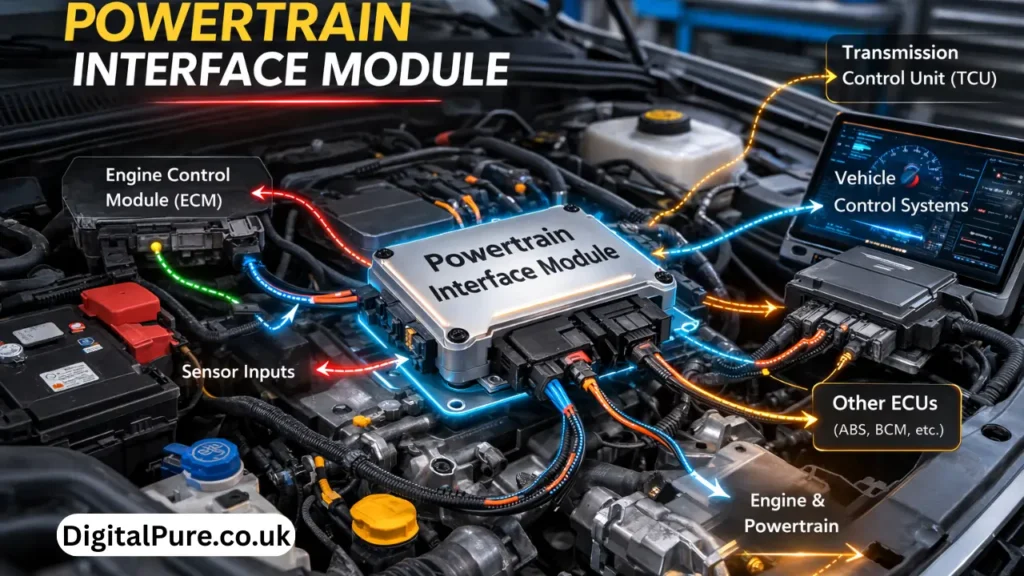
A powertrain interface module is an electronic component used in certain vehicles to manage communication between different control modules. Modern vehicles contain several electronic control units that control various systems such as engine performance, security functions, and transmission operations.
The powertrain interface module acts as a bridge between these systems. It allows different modules to exchange data and work together efficiently. Since various control modules may use different communication formats or protocols, this interface module ensures the information is translated correctly so that all systems can understand it.
Without the powertrain interface module, communication between key vehicle systems could become difficult or impossible, which may lead to operational problems.
Why Modern Vehicles Require a Powertrain Interface Module
Automotive technology has advanced significantly in recent years. Modern vehicles contain dozens of sensors and electronic controllers that monitor and control different functions.
These systems include:
- Engine control systems
- Transmission management systems
- Vehicle security systems
- Body electronics
- Diagnostic systems
All these components rely on electronic communication networks to share information. The powertrain interface module ensures that data from one system can be delivered to another system in a compatible format.
For example, when a driver attempts to start a vehicle, the security system must verify that the key is valid. Once authentication is confirmed, the signal must be sent to the engine control system. The powertrain interface module manages this communication process and ensures that the engine receives the correct authorization to start.
How the Powertrain Interface Module Works
The powertrain interface module operates as a communication translator within the vehicle’s electronic network. It receives signals from one control module, processes the information, and then sends the translated data to another module that requires it.
This process typically involves three main steps.
First, the module receives electronic signals from a vehicle system such as the body control module or security system.
Second, the powertrain interface module interprets the incoming data and converts it into a format that the receiving module can understand.
Third, the converted information is transmitted to the correct system, such as the engine control module.
These operations occur very quickly, often within milliseconds, allowing the vehicle systems to communicate seamlessly.
Key Functions of a Powertrain Interface Module
The powertrain interface module performs several important functions that support overall vehicle operation.
Communication Gateway
One of the main roles of the powertrain interface module is to act as a communication gateway between different electronic control units. It ensures that messages are transmitted correctly between systems that may use different communication structures.
Security System Integration
Many vehicles use electronic immobilizer systems to prevent unauthorized access. The powertrain interface module helps connect the vehicle’s security system with the engine control system. If the key or security signal is not verified, the module prevents the engine from starting.
Data Conversion
Different modules inside a vehicle may operate with different communication standards. The powertrain interface module converts signals and data formats so that each system can understand the information being exchanged.
Coordination of Vehicle Systems
Modern vehicles require coordination between multiple systems. The powertrain interface module ensures that components such as engine management, transmission systems, and security systems operate together smoothly.
Difference Between Powertrain Interface Module and Other Control Modules
Many people confuse the powertrain interface module with other electronic modules found in vehicles. However, each module has a specific purpose.
Engine Control Module
The engine control module manages engine performance. It controls functions such as fuel injection, ignition timing, and air intake.
Powertrain Control Module
The powertrain control module manages both engine and transmission systems. It ensures that the powertrain operates efficiently under different driving conditions.
Powertrain Interface Module
The powertrain interface module does not directly control the engine or transmission. Instead, it focuses on communication between different control modules, allowing the entire electronic system of the vehicle to function as a coordinated network.
Signs of a Faulty Powertrain Interface Module
Like other electronic components, the powertrain interface module can sometimes fail due to electrical problems, damaged wiring, or internal component issues.
Some common symptoms include:
- Vehicle failing to start
- Security or immobilizer warnings
- Communication errors between vehicle modules
- Dashboard warning lights
- Diagnostic trouble codes related to system communication
When these symptoms appear, technicians often perform electronic diagnostics to identify whether the powertrain interface module is causing the problem.
Diagnosing Problems Related to the Powertrain Interface Module
Diagnosing issues with the powertrain interface module usually requires professional diagnostic tools that can communicate with the vehicle’s electronic systems.
Technicians typically follow several steps during the diagnostic process.
First, they scan the vehicle’s system for diagnostic trouble codes that indicate communication failures.
Second, they inspect the wiring and connections associated with the module.
Third, they test signals between different control units to determine whether the module is functioning properly.
If the module is confirmed to be faulty, it may need to be repaired, reprogrammed, or replaced depending on the severity of the issue.
Importance of the Powertrain Interface Module in Modern Automotive Technology
As vehicles continue to evolve with advanced electronics and digital systems, communication between different modules becomes increasingly important. Modern vehicles rely heavily on electronic networks to manage performance, safety, and convenience features.
The powertrain interface module ensures that all these systems can communicate effectively and operate together as a single integrated system. Without this module, coordination between vehicle systems would be much more complicated and could affect overall vehicle reliability.
With the growing use of advanced vehicle technology, the role of the powertrain interface module is expected to remain essential in ensuring efficient communication within automotive electronic systems.
Frequently Asked Questions
1. What is the main function of a powertrain interface module
The main function of a powertrain interface module is to allow communication between different electronic control modules in a vehicle, ensuring that systems such as the engine control unit and body control system can exchange information correctly.
2. Can a powertrain interface module stop a car from starting
Yes, if the powertrain interface module fails to transmit the correct security or authorization signals, the engine control system may prevent the vehicle from starting.
3. Is the powertrain interface module the same as the engine control module
No, the engine control module manages engine performance, while the powertrain interface module focuses on communication between different vehicle control modules.
4. What causes a powertrain interface module to fail
Common causes include electrical faults, damaged wiring, software errors, and internal electronic failure within the module.
5. Can a powertrain interface module be replaced
Yes, a faulty powertrain interface module can be replaced. However, the new module often requires programming or synchronization with other vehicle systems to function correctly.
You May Also Read: Genhouse: Modern Innovation Hub Connecting Collaboration, Smart Housing and Creative Growth