

Introduction
Understanding land ownership is not always as simple as buying or selling property. In many legal systems, there are alternative ways to use land without actually owning it. One of the most interesting and historically rich concepts is emfyteymata. This system offers long-term land usage rights that closely resemble ownership while still maintaining a clear distinction between the user and the legal owner.
This article provides a complete and clear explanation of emfyteymata, covering its meaning, history, working structure, legal aspects, and modern relevance.
What Is Emfyteymata?
Emfyteymata refers to a legal arrangement in which a person is granted long-term rights to use and benefit from land that belongs to someone else. The individual who receives these rights can use the land almost like an owner, but the legal ownership remains with another party.
This concept is often described as a combination of leasing and ownership. It gives more freedom than a regular lease while stopping short of full ownership.
In simple terms, emfyteymata allows someone to:
- Use land for farming, building, or business
- Earn income from the land
- Transfer or inherit their rights
At the same time, the person must follow certain conditions, such as paying a yearly fee and maintaining the property.
Historical Background of Emfyteymata
The roots of emfyteymata can be traced back to ancient civilizations, particularly Greek and Roman societies. It was originally introduced to make unused land productive.
During the Roman period, large areas of land were controlled by the state or wealthy landowners. Instead of leaving land unused, they allowed individuals to cultivate and develop it under long-term agreements. These agreements eventually became known as emfyteymata.
The system was successful because it benefited both sides:
- Landowners received regular income
- Users gained secure, long-term access to land
This historical success is one of the reasons why emfyteymata continues to influence property systems today.
How Emfyteymata Works
To fully understand emfyteymata, it is important to look at how it operates in practice.
A landowner grants long-term usage rights to another person. This agreement can last for several decades or even indefinitely. The person receiving these rights is allowed to use the land for economic or personal purposes.
Key Features of Emfyteymata
Long-Term Duration
One of the most important features of emfyteymata is its long duration. Agreements can last 50 years, 99 years, or even longer.
Transferable Rights
The holder of emfyteymata rights can transfer those rights to another person. This adds flexibility and increases its value.
Inheritance
In many cases, these rights can be passed down to future generations, making emfyteymata a long-term asset.
Rights and Responsibilities in Emfyteymata
Every legal system includes both benefits and obligations, and emfyteymata is no exception.
Rights of the User
A person holding emfyteymata rights can:
- Use the land freely within legal limits
- Develop or improve the property
- Earn profits from agricultural or commercial activities
- Transfer or sell their rights
These rights make emfyteymata more powerful than a typical rental agreement.
Responsibilities of the User
At the same time, the user must:
- Pay a fixed annual fee or rent
- Maintain and protect the land
- Follow local laws and agreed conditions
If these responsibilities are not fulfilled, the rights can be cancelled.
Emfyteymata vs Lease vs Ownership
Understanding how emfyteymata differs from other property systems helps clarify its importance.
Emfyteymata vs Lease
A lease is usually short-term and provides limited rights. Tenants cannot easily transfer or inherit the property. In contrast, emfyteymata offers long-term security and broader rights.
Emfyteymata vs Ownership
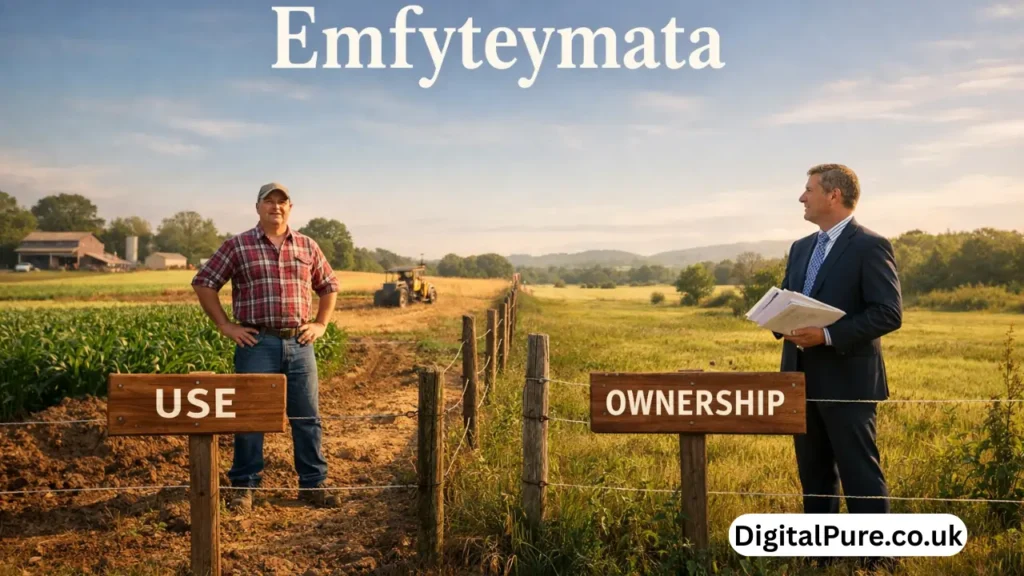
Ownership gives complete control over land, including selling it permanently. Emfyteymata, however, separates ownership from usage. The user has strong rights but does not legally own the land.
This unique structure makes emfyteymata a middle ground between renting and owning.
Modern Use of Emfyteymata
Although it is an ancient concept, emfyteymata is still used in modern legal systems. Many countries apply similar arrangements for land development and agricultural projects.
Governments often use emfyteymata-like systems to:
- Encourage farming on unused land
- Support infrastructure development
- Provide affordable access to land
In some regions, long-term land rights based on emfyteymata are used instead of selling land outright. This helps maintain control while still allowing economic activity.
Advantages of Emfyteymata
There are several reasons why emfyteymata remains relevant today.
Affordable Land Access
People can use valuable land without the high cost of purchasing it.
Encourages Investment
Since the rights are long-term, users are more willing to improve the land.
Flexibility
The ability to transfer or inherit rights makes emfyteymata adaptable for different needs.
Disadvantages of Emfyteymata
Despite its benefits, emfyteymata also has some limitations.
Continuous Payments
Users must pay an annual fee, which can add up over time.
Limited Ownership
The user does not fully own the land, which may restrict certain decisions.
Legal Complexity
Understanding emfyteymata agreements may require legal knowledge.
Why Emfyteymata Is Still Important Today
In modern times, where land prices are rising and ownership is becoming more difficult, emfyteymata offers a practical alternative. It allows individuals and businesses to benefit from land without full ownership.
For governments, it provides a way to manage land resources while promoting development. For individuals, it creates opportunities that might otherwise be out of reach.
This balance between control and accessibility is what makes emfyteymata an important concept even today.
Conclusion
Emfyteymata is more than just a historical legal term. It represents a flexible and practical approach to land use that combines the advantages of ownership and leasing. With its deep historical roots and continued relevance, emfyteymata remains an important concept in property law and land management.
By understanding how emfyteymata works, individuals can explore alternative ways to access and benefit from land in a changing economic landscape.
FAQs About Emfyteymata
1. What is emfyteymata in simple words?
Emfyteymata is a system where a person can use and benefit from land for a long time without actually owning it.
2. Can emfyteymata rights be sold?
Yes, in most cases, these rights can be transferred or sold to another person.
3. Is emfyteymata better than a lease?
It offers more rights and longer duration than a standard lease, making it more flexible.
4. Do you own the land in emfyteymata?
No, the land belongs to someone else, but you have strong rights to use it.
5. Why is emfyteymata still used today?
It helps provide affordable land access and supports long-term development projects.
You May Also Read: Fiverrpal: Ultimate Guide to Fiverr Affiliate Income System and How It Works