

Introduction
An acryldach is a modern roofing solution that is widely used in residential and light commercial construction. Known for its transparency, durability, and clean appearance, this type of roofing is especially popular for outdoor structures where natural light is important. From patios and terraces to carports and garden spaces, acrylic roofing offers a balance between protection and openness.
This article explains in detail what an acryldach is, how it works, its advantages, limitations, applications, and how it compares with other roofing materials. The goal is to provide clear and complete information so readers can confidently understand whether this roofing option suits their needs.
What Is an Acryldach?
An acryldach is a roof made from acrylic glass, a synthetic material also known as PMMA. Acrylic glass is a strong, transparent plastic that visually resembles traditional glass but performs better in many construction environments. It allows sunlight to pass through while protecting the area below from weather conditions such as rain, wind, and harmful UV rays.
Unlike conventional roofing materials, an acryldach focuses on light transmission and visual openness. This makes it a preferred choice for spaces where brightness and comfort are priorities.
Material Properties of Acrylic Roofing
High Light Transmission
One of the main reasons people choose an acryldach is its ability to transmit a high level of natural light. Acrylic panels are clear and maintain their transparency over time, helping create bright and welcoming spaces beneath the roof.
UV and Weather Resistance
Acrylic roofing panels are designed to resist ultraviolet radiation. This helps prevent yellowing and material degradation caused by long-term sun exposure. They also perform well against rain, snow, and temperature changes, making them suitable for year-round outdoor use.
Lightweight Structure
Compared to glass, acrylic is significantly lighter. This reduces the load on supporting structures and makes installation easier. A lighter roof also allows for more flexible design options without compromising stability.
Common Uses of an Acryldach
An acryldach is widely used in different construction and renovation projects. Its versatility makes it suitable for both private and semi-public spaces.
Patio and Terrace Roofing
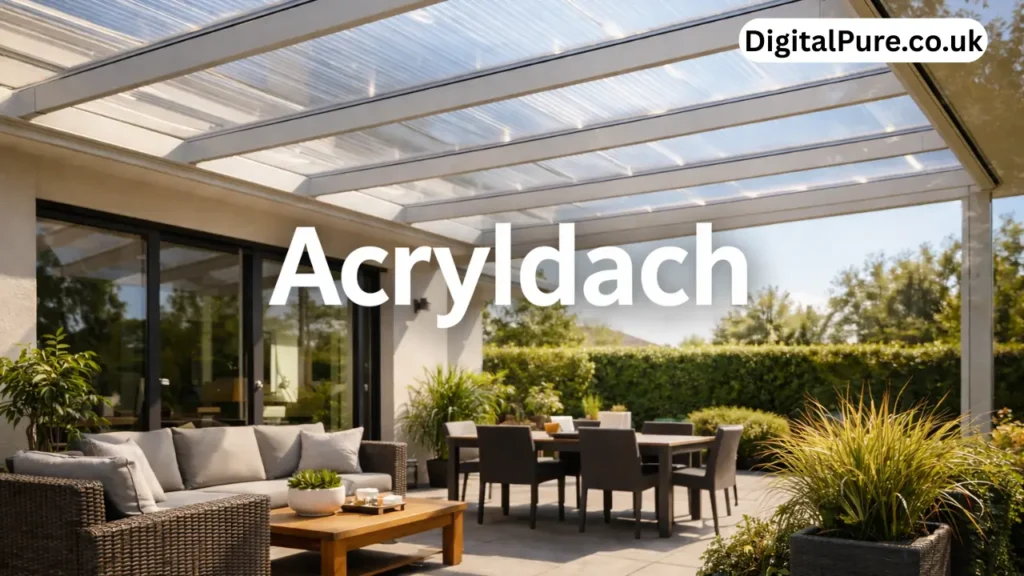
Patios and terraces benefit greatly from acrylic roofing. An acryldach protects outdoor seating areas from rain while still allowing daylight to enter, making the space usable in different weather conditions.
Pergolas and Garden Areas
Pergolas with acrylic roofs combine design and functionality. The structure remains visually open, while plants and furniture are protected from direct rainfall.
Carports and Walkways
Carports covered with an acryldach offer protection for vehicles without creating a dark or enclosed environment. Walkways and entrances also benefit from the light and shelter provided by acrylic panels.
Greenhouses and Hobby Rooms
Because acrylic allows consistent light penetration, it is suitable for greenhouses, workshops, and hobby spaces that rely on daylight for daily activities.
Advantages of Choosing an Acryldach
There are several practical benefits associated with an acryldach, which explain its growing popularity.
- Excellent natural light without full exposure
- Long-lasting clarity with minimal yellowing
- Resistant to moisture and environmental damage
- Lightweight and easier to install than glass
- Clean and modern appearance
These advantages make acrylic roofing a strong choice for projects that value comfort, design, and durability.
Possible Limitations of Acrylic Roofing
While an acryldach offers many benefits, it is important to consider a few limitations.
Acrylic is less impact-resistant than some alternative materials, such as polycarbonate. In areas with frequent heavy hail, additional protection or thicker panels may be required.
Cost can also be slightly higher compared to basic plastic roofing options. However, many homeowners accept this due to the longer lifespan and better visual quality of acrylic.
Acryldach Compared to Other Roofing Materials
Acrylic vs Polycarbonate
Polycarbonate is stronger and more resistant to impact, but acrylic provides better clarity and retains its appearance longer. An acryldach is often chosen when visual quality is more important than maximum strength.
Acrylic vs PVC
PVC roofing is usually more affordable but offers lower transparency and shorter durability. Acrylic delivers a more premium look and better performance over time.
Acrylic vs Glass
Glass is heavy and fragile, requiring stronger structural support. An acryldach offers a similar visual effect with less weight, easier handling, and improved safety.
Installation and Maintenance Considerations
Installing an acryldach requires proper planning. Panels must be mounted with allowance for thermal expansion, as acrylic slightly expands and contracts with temperature changes.
Maintenance is simple and does not require special treatments. Regular cleaning with water and a mild cleaning solution helps maintain clarity. Abrasive tools and harsh chemicals should be avoided to protect the surface.
With proper care, an acryldach can remain functional and visually appealing for many years.
When Is an Acryldach the Right Choice?
An acryldach is ideal for projects where light, aesthetics, and weather protection are equally important. It works especially well for outdoor living spaces, modern home designs, and structures that benefit from daylight.
For environments with extreme impact risks, alternative materials may be considered. However, for most residential applications, acrylic roofing provides an effective and visually pleasing solution.
Frequently Asked Questions (FAQs)
1. How durable is an acryldach?
An acryldach is highly durable and can last over two decades when installed correctly and maintained properly.
2. Does an acryldach block harmful UV rays?
Yes, acrylic roofing panels are designed to reduce UV radiation while still allowing natural light to pass through.
3. Can an acryldach be used year-round?
Yes, it performs well in different weather conditions, including rain, snow, and sunlight.
4. Is an acryldach suitable for residential homes?
Absolutely. It is commonly used for patios, terraces, carports, and garden structures in residential settings.
5. Is professional installation necessary for an acryldach?
While small projects may be handled by experienced individuals, professional installation is recommended for long-term safety and performance.
You May Also Read: Pellela: Meaning, Cultural Significance, and Its Modern Relevance